
 EN
EN
The Impact of Hotel Chairs on Guest Experience and Brand Perception
How hotel chairs shape first impressions in lobbies and common areas
Most guests actually decide what they think about a property within just three minutes of walking in, according to the latest Hospitality Interior Report from 2024. Seating is right behind first impressions and lighting as something people notice pretty quickly when they enter. The modular lounge chairs we see in many lobbies these days are made with those tough Crypton fabrics that resist stains, which lets hoteliers rearrange spaces easily depending on how groups want to gather. Plus, those clean lines send a message about hygiene standards without needing any signs or labels. At reception areas, hotels are going for those low profile chairs without arms because studies from Cornell Hotel Administration show they make it 27% easier for guests to find their way around compared to bigger, bulkier options. Makes sense really when thinking about how important clear sightlines are in busy hotel environments.
Linking comfort and durability of hotel chairs to guest satisfaction
J.D. Power’s 2023 Lodging Study tied chair comfort to 34% of satisfaction scores in full-service hotels. Double-reinforced sled bases show 62% less wobble after 5,000 simulated uses than traditional legs (Hospitality Furnishings Lab 2024). Contoured backs with 4” high-resilience foam reduce discomfort complaints by 41% in breakfast areas (STR benchmarking data).
Balancing aesthetic appeal with functional needs in hotel chair selection
Chairs combining curved walnut veneers with powder-coated steel bases achieve 23% higher perceived quality scores (Hotel Furniture Design Study). Quick-dry spin chairs with concealed drainage holes dominate poolside settings, cutting maintenance labor by 9 hours weekly. Breathable mesh-backed conference chairs with hidden USB ports reflect dual-purpose designs meeting modern traveler expectations.
Choosing the Right Hotel Chairs for Key Functional Areas
Lobby Seating: Designing for Flow, Comfort, and Style with Hotel Chairs
Lobby chairs anchor guest first impressions, requiring a balance of visual impact and traffic efficiency. Three-seat sofa groupings with adjacent side tables encourage conversation without obstructing pathways. Modular seating improves space utilization by 40% over fixed arrangements (Hospitality Design Index 2023), especially beneficial for properties hosting corporate events.
Dining and Restaurant Areas: Ergonomics and Service-Style Considerations
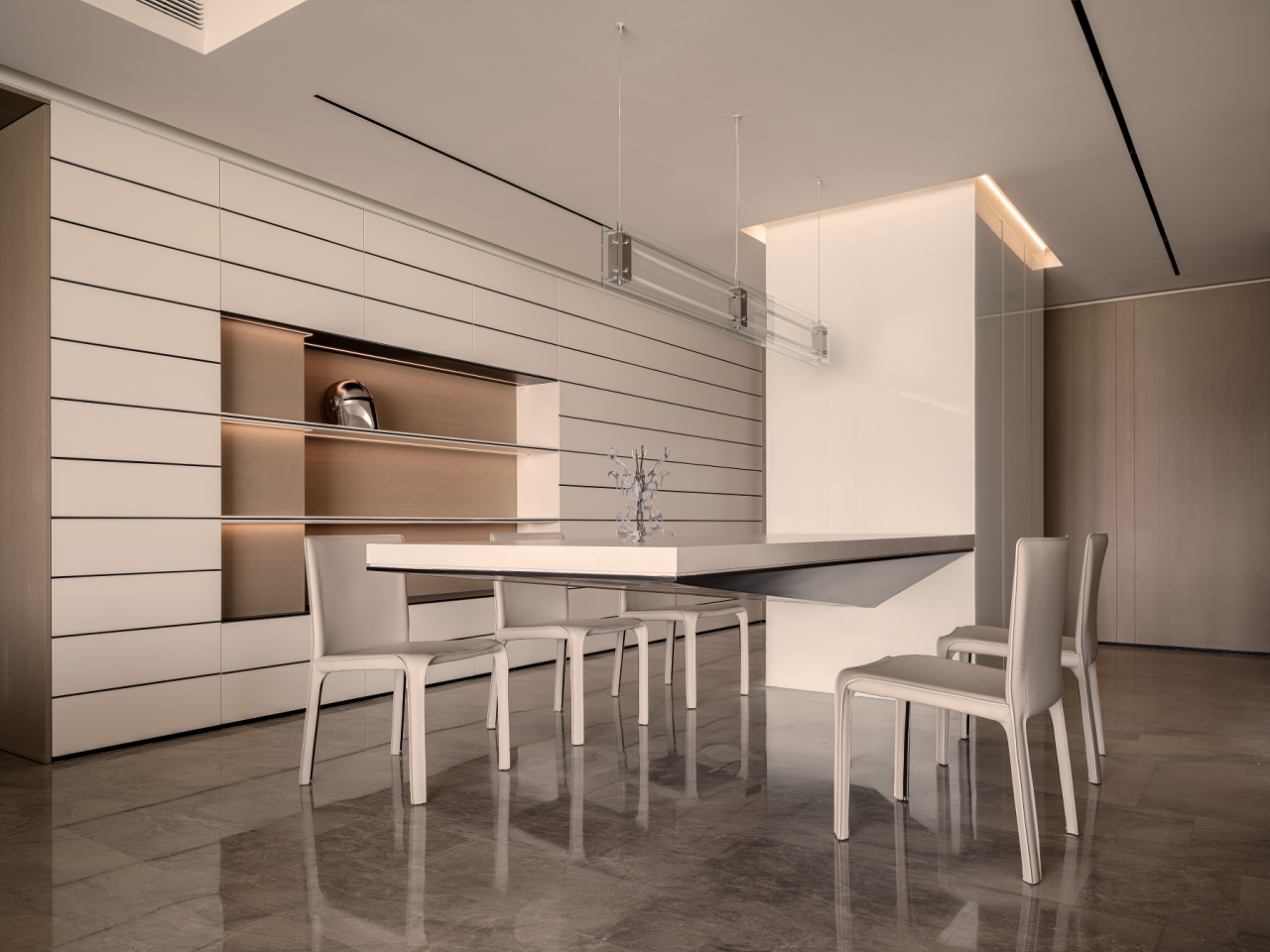
Commercial dining chairs should follow ergonomic standards: seat heights between 18"—20" align with 87% of industry-standard tables. Cushioned seats with waterfall edges minimize pressure during extended meals, while chair backs under 24" wide allow servers to navigate tight spaces efficiently.
Waiting Zones, Lounges, and Reception: Strategic Seating for Varied Guest Needs
Mixed-height seating accommodates diverse guest behaviors:
- 36% of business travelers prefer bar-height counters with charging ports
- 72% of families choose clustered low-profile seating (J.D. Power 2022 Hotel Guest Report)
- Modular ottomans with hidden storage meet the needs of 58% of guests seeking flexible layouts
Outdoor and Poolside Seating: Weather-Resistant Options and Layout Tips
Weatherproof polymer wicker maintains integrity through 300+ humidity cycles, outperforming traditional materials by 2:1 in coastal environments. Spacing sun loungers at 42" centers prevents crowding and allows service access—a layout linked to an 18% increase in beverage sales at beach resorts.
Material Selection for Long-Term Durability and Easy Maintenance
Comparing wood, metal, and composite frames for hotel chair longevity
Composite frames last 8—12 years in hospitality settings, surpassing traditional wood (5—8 years) and untreated metal (6—10 years) according to the 2024 Commercial Furniture Materials Study. Aluminum with powder-coated finishes reduces weather damage by 60% compared to standard paints, making it ideal for outdoor use.
Upholstery materials: Stain resistance, cleanability, and guest safety
High-performance polyester blends with Nano-Tex¢ coatings reduce stain retention by 70% versus untreated fabrics (2023 Hospitality Textile Report). OEKO-TEX® certified materials eliminate 98% of harmful chemical residues, supporting allergen-sensitive environments. Leather alternatives like Ultrafabrics® offer comparable prestige to genuine leather with 45% less daily maintenance (Facility Management Journal 2023).
Maintenance-friendly designs for high-traffic hotel environments
Removable seat cushions and machine-washable covers cut replacement costs by 30% (AHLA 2022 Operations Report). Antimicrobial polymer caps on chair legs prevent carpet damage—the top housekeeping complaint related to metal bases. Tool-free assembly features reduce reconfiguration time during seasonal changes by 65%.
Resolving the trade-off between trendy aesthetics and durable performance
Polymer materials that resist UV damage now mimic real rattan furniture while fading only 10% over time according to Outdoor Furniture Labs research from last year. The dark colored powder coat applied to metal frames does wonders for hiding those inevitable scratches that show up in busy banquet settings, which helps maintain a professional look until it's time for a refresh. For restaurants wanting that warm wooden feel without the maintenance headaches, luxury vinyl wraps are becoming popular choices. These wraps give composite furniture bases beautiful wood grain patterns, and surveys indicate around 8 out of 10 guests actually prefer these "natural looking" chairs in restaurant spaces. Plus, manufacturers still stand behind their products with full 10 year warranty coverage despite all these added features.
Design and Layout Strategies to Maximize Comfort and Space Efficiency
Space Planning: Arranging Hotel Chairs for Accessibility and Social Comfort
Make sure there's at least 36 inches of space between seating areas to meet ADA standards and keep things accessible for everyone. According to the latest hospitality design report from 2024, businesses that thoughtfully arrange their spaces for both single visitors and larger groups actually see customers staying around 22% longer. To create cozy spots within open areas, try using big communal tables or adding decorative room dividers that still let people move freely through the space. Also worth considering are seats of different heights ranging from 18 to 22 inches off the ground. These variations help ensure comfort for people with different physical needs and preferences when they're sitting down.
Case Study: Effective Seating Solutions in High-Traffic Hotel Lobbies
The XYZ Boutique Hotel redesigned its 800 sq. ft. lobby using three strategies:
- Modular lounge chairs on locking castors for rapid reconfiguration during peak check-in
- 17" seat-depth accent chairs with durable fabrics (80,000+ double rubs) near registration desks
-
Weighted barstools at perimeter counters to discourage extended stays
This reduced congestion complaints by 41% and boosted F&B upsells from adjacent areas, per their 2023 operations report.
Integrating Brand Identity Through Cohesive Chair Design and Placement
Mid-century modern chairs with tapered walnut legs and boucl© upholstery reinforce a œtimeless luxury theme, while industrial iron frames with vegan leather suit urban boutiques. Cohesive seating aesthetics elevate perceived room value by up to 19% (Cornell University 2022), with color-matched chair frames to accent walls having the strongest impact.
Future-Proofing Seating: Adaptable Layouts for Evolving Guest Expectations
Hotels are adopting stackable chairs with embedded RFID tags to track usage via IoT sensors. Hybrid work-surfacing chairs with integrated power hubs cater to the 37% increase in œbleisure travel since 2023 (GBTA data). Seasonal rotations—from winter firepit clusters to summer shaded pods—maintain freshness while minimizing furniture expenditures.
FAQ
Why are first impressions in hotel lobbies important?
First impressions set the tone for a guest's entire visit, impacting their perception of the hotel's brand and their overall satisfaction.
How do hotel chairs impact guest satisfaction?
Comfortable and durable chairs contribute to guest satisfaction by enhancing comfort and reducing complaints, as shown by studies linking chair comfort to satisfaction scores.
What are the benefits of modular seating in hotel lobbies?
Modular seating allows for flexible arrangements, improves space utilization, and supports different group sizes, which is beneficial for event hosting.
How do ergonomic and service-style considerations affect dining chairs?
Ergonomic designs ensure comfort during meals, while service-style considerations help servers navigate efficiently, improving overall dining experiences.
What materials are recommended for outdoor seating areas?
Weatherproof polymer wicker and powder-coated aluminum frames are ideal for outdoor seating due to their durability and ability to withstand environmental conditions.