
 EN
EN
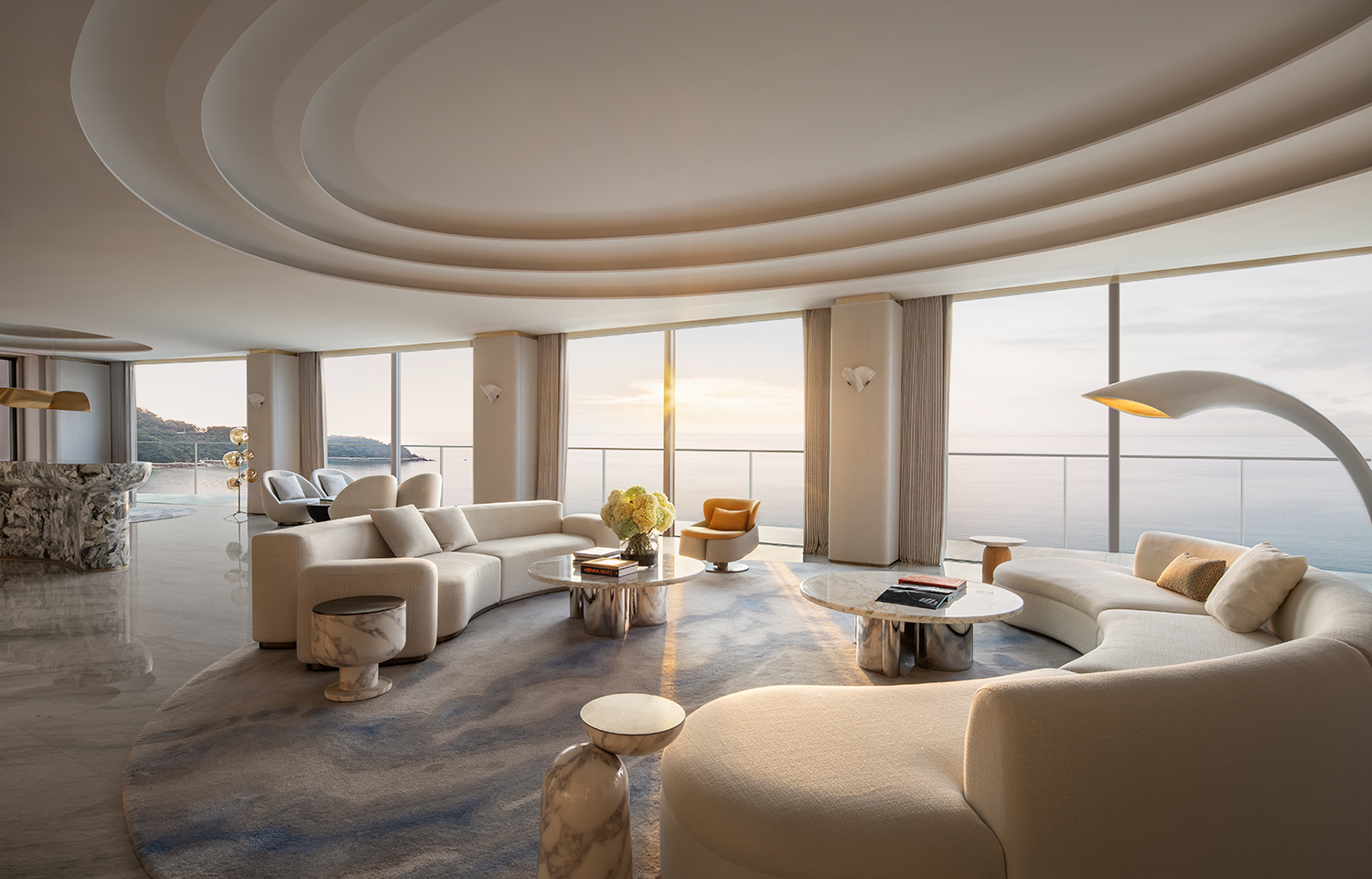
Understanding Bespoke Furniture and Its Role in Boutique Hotels
Defining Bespoke Furniture and Its Relevance in Boutique Hospitality
Bespoke furniture refers to custom-designed pieces crafted to meet specific functional, spatial, and aesthetic requirements of a hotel environment. Unlike off-the-shelf alternatives, these one-of-a-kind creations align precisely with boutique hotels' needs for uniqueness and thematic cohesion.
The Shift From Mass-Produced to Custom Hotel Furniture Benefits
The hospitality industry is increasingly adopting bespoke solutions, with 84% of upscale properties prioritizing customized furniture over generic options (Hospitality Design Report 2024). Mass-produced furnishings often clash with boutique hotels' architectural nuances, while bespoke designs address:
- Spatial constraints through tailored dimensions
- Wear resistance via commercial-grade material selections
- Brand storytelling opportunities through intentional styling
As noted by boutique hotel design specialists, this shift reduces replacement cycles by 22% on average compared to standardized inventory.
How Customization and Personalization in Furniture Design Elevate Aesthetics
Bespoke furniture transforms interiors into immersive environments through curated details like hand-carved motifs reflecting local heritage or upholstery patterns matching a property's color palette. Designers leverage asymmetric forms and mixed materials to create Instagram-worthy vignettes that guests associate exclusively with a hotel's identity.
Enhancing Guest Experience Through Custom Luxury Hotel Furniture
Designing for Guest Experience with Custom Furniture as a Core Strategy
The top minds in hospitality are starting to see custom made furniture as something that really sets hotels apart from each other these days. When hoteliers match their furniture choices to how guests actually behave, they solve problems before they even happen. Think about adjusting desk heights so remote workers aren't struggling, or arranging lounges where people naturally want to chat with others. According to research published last year in the hospitality sector, hotels that went this route reported around 30% drop in complaints about how functional their rooms were. Makes sense when you think about it, right?
Tailoring Furniture to Meet Guest Preferences and Behavior Patterns
Data-driven customization is reshaping luxury hospitality. Hotels integrate post-stay surveys and IoT sensors to identify trends like preferred seating angles or high-traffic zones. This intelligence informs designs such as asymmetrical bedframes for improved reading posture or modular coffee tables that adapt to dining and workspace needs.
Balancing Guest Comfort and Personalized Experiences with Functional Design
The most effective custom furniture merges artistic vision with ergonomic science. Curved sofa arms reduce shoulder strain during prolonged sitting, while hidden charging stations maintain clean visual lines. Designers refine prototypes using pressure-mapping tools to ensure comfort without sacrificing style.
Case Study: Luxury Resort Increases Satisfaction Scores by 27% with Ergonomic Furniture
One beachside hotel completely revamped its rooms after collecting movement patterns from around 2,500 visitors over several months. They designed furniture that actually works with how people sit when they're relaxing or getting some work done. Guests noticed the difference right away. Satisfaction ratings jumped by nearly 27%, and folks came back for another stay almost 19% more often last year. What changed? The new recliners have those fancy adjustable back supports everyone loves, and the desks now come with built-in wireless charging pads made from local wood that can handle coastal humidity without warping or cracking.
Strengthening Brand Identity Through Custom Furniture Design
High end hotels are starting to rely more on custom made furniture to build those unique brand identities that really catch the attention of sophisticated travelers. When hotels go for tailor made pieces instead of off the shelf stuff, they can actually turn those vague brand ideas like tradition, green practices, or cutting edge design into something guests actually experience firsthand. Take a beachfront hotel for example. They might order special beds shaped like waves made from old driftwood collected along the shore. That kind of thing really drives home their commitment to sustainable luxury living. According to some recent research from Atunus, around 78 percent of fancy hotels that invest in custom furniture stand out more clearly in the market than those sticking to standard catalog items. Makes sense when you think about it though doesn't it?
Designers warn that going too far with customization can actually hurt how well things work. Take this old hotel in Europe that tried to rebrand itself back in 2022. They put in these super stylish chairs everywhere, but guests complained they were uncomfortable to sit on. That's just one example showing why brand expressions need to improve experiences instead of making them worse. The really good projects find ways to mix creative ideas with practical considerations. When done right, furniture doesn't just look great for branding purposes, it also serves its basic function without causing problems for people using it day to day.
Incorporating Local Culture and Sustainable Materials in Bespoke Furniture
Using Regional Craftsmanship to Reflect Local Heritage in Bespoke Furniture for Boutique Hotels
Working alongside local craftspeople helps keep cultural traditions alive while also producing beautiful, useful items. Take those hotels in Oaxaca that team up with Zapotec weavers for instance. They weave their colorful fabrics right into bed headboards and chairs throughout the hotel, so guests actually get to experience something that connects them to traditions stretching back thousands of years. According to a recent Hospitality Design Report from 2023, around two thirds of people staying at luxury hotels really appreciate seeing local craftsmanship in their rooms. When hotels partner with woodworkers or metalworkers who know their stuff, they end up with furniture and decor that tells the story of where they are. Plus it supports the local economy too, which makes everyone happy in the long run.
Sourcing Sustainable, Durable, and Luxurious Materials for Hotel Furniture
Material selection directly impacts both aesthetic longevity and environmental footprint. Leading hotels combine responsibly harvested hardwoods (like FSC-certified oak) with innovative alternatives such as:
- Agricultural byproducts: Coffee bean husks transformed into tabletops
-
Marine plastics: Upcycled fishing nets used in outdoor lounge chairs
A 2023 Cornell University study revealed 74% of guests consider sustainability credentials when choosing accommodations, driving demand for furnishings made from reclaimed teak or rapidly renewable bamboo.
Case Study: A Kyoto Ryokan Integrating Traditional Joinery Techniques into Modern Guest Rooms
One Japanese inn revitalized shōji (sliding screen) craftsmanship by incorporating traditional joinery into minimalist platform beds and storage units. The seamless blend of 17th-century woodworking methods with contemporary ergonomic designs achieved:
| Metric | Improvement | Source |
|---|---|---|
| Guest satisfaction | +37% | JTB Tourism Report 2023 |
| Media coverage | 212% increase | |
| Repeat bookings | +29% |
This strategy proves heritage techniques can meet modern durability standards while creating Instagram-worthy interiors that organically showcase local culture.
Choosing the Right Bespoke Furniture Partner for Hotel Projects
Evaluating Designers and Manufacturers for Bespoke Furniture Design for Hotels
When looking for custom hotel furniture, finding skilled craftsmen who get what hospitality design really needs becomes super important. Most manufacturers struggle to hit both marks at once actually only about 23 percent make the cut based on last year's Hospitality Design Collective report. Look for companies whose work samples show they can adapt their processes. Some designers focus specifically on small luxury hotels but still manage to tweak their methods when working with larger hotel groups across multiple locations without losing that handcrafted touch that makes all the difference.
Key Criteria: Craftsmanship, Scalability, and Timeline Reliability
Three factors dominate partner selection:
- Material Mastery: Verify certifications for fire-retardant fabrics and sustainably harvested hardwoods
- Batch Flexibility: Suppliers should accommodate orders from 5 to 500 units without quality variance
- Time Buffers: Build 2–3 week cushions into delivery schedules to prevent renovation delays
Collaboration Workflow Between Hotel Developers and Custom Furniture Artisans
Successful partnerships follow a phased approach:
- Concept Alignment: 3D renderings and material samples reviewed alongside brand style guides
- Prototype Testing: 60–90 day stress tests on joints, finishes, and ergonomics
- Installation Coordination: On-site teams overseeing assembly to prevent transit damage
Hotels reduced project overruns by 41% through transparent milestone tracking and regular workshops between architects and woodworkers, ensuring technical specifications align with design intent.
FAQ
What is bespoke furniture?
Bespoke furniture refers to custom-designed pieces that meet specific functional, spatial, and aesthetic requirements, especially tailored to the thematic and spatial needs of an environment like a boutique hotel.
Why is bespoke furniture beneficial for boutique hotels?
Bespoke furniture is beneficial because it addresses spatial constraints, enhances wear resistance, and offers brand storytelling opportunities, aligning perfectly with the unique architectural nuances and identity of boutique hotels.
How does bespoke furniture improve guest experience?
Bespoke furniture improves guest experience by creating custom environments that are tailored to guest behavior and preferences, leading to reduced complaints and increased satisfaction.
How do hotels incorporate local culture in bespoke furniture?
Hotels work with local craftspeople to integrate regional craftsmanship into their furniture, reflecting local heritage and traditions while supporting the local economy.
What should hotels consider when choosing a bespoke furniture partner?
Hotels should evaluate potential partners based on craftsmanship, scalability, and timeline reliability, ensuring they can deliver quality custom furniture on schedule.
Table of Contents
- Understanding Bespoke Furniture and Its Role in Boutique Hotels
-
Enhancing Guest Experience Through Custom Luxury Hotel Furniture
- Designing for Guest Experience with Custom Furniture as a Core Strategy
- Tailoring Furniture to Meet Guest Preferences and Behavior Patterns
- Balancing Guest Comfort and Personalized Experiences with Functional Design
- Case Study: Luxury Resort Increases Satisfaction Scores by 27% with Ergonomic Furniture
- Strengthening Brand Identity Through Custom Furniture Design
- Incorporating Local Culture and Sustainable Materials in Bespoke Furniture
- Choosing the Right Bespoke Furniture Partner for Hotel Projects
- FAQ