
 EN
EN
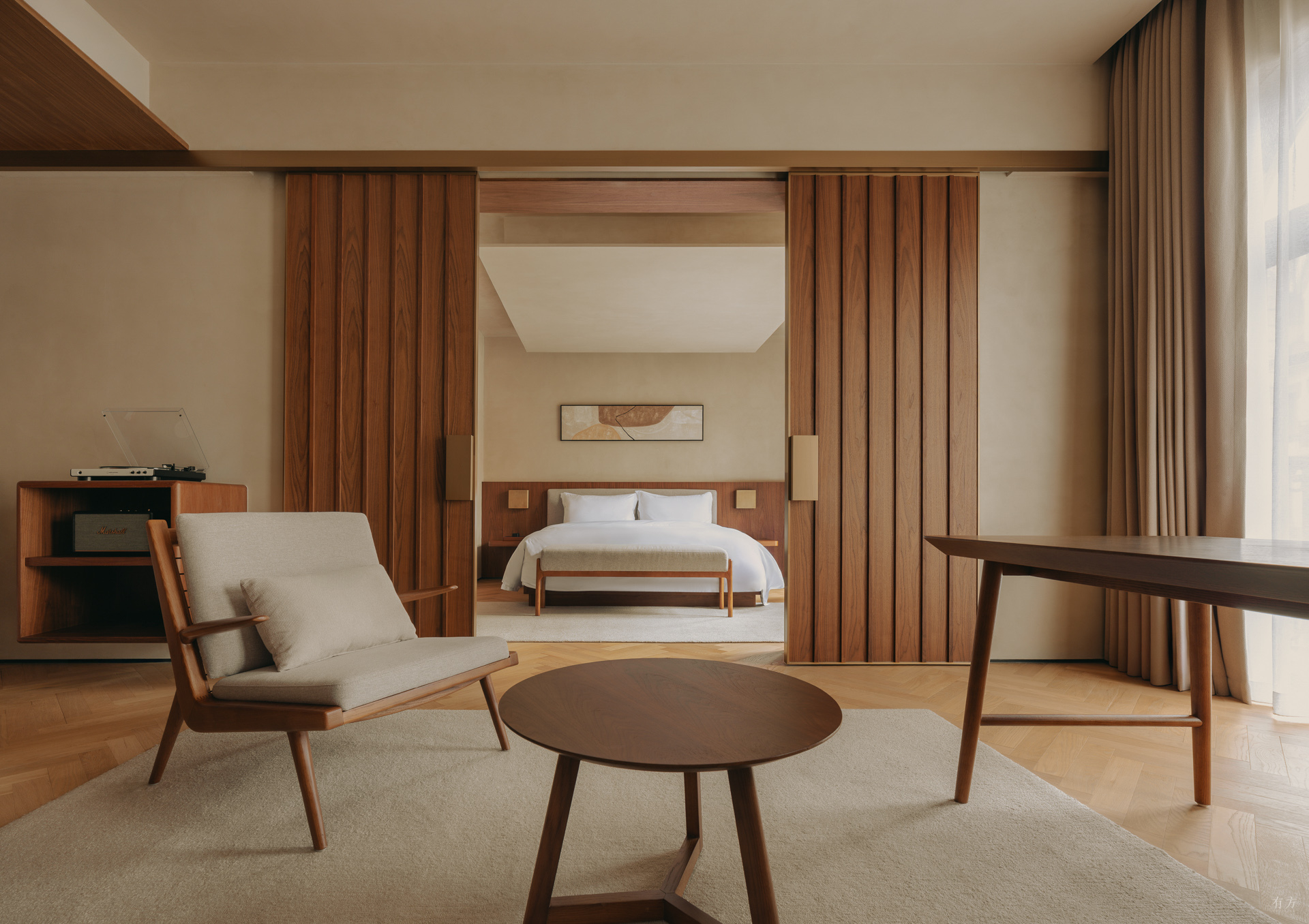
Smart Technology Integration in Hotel Bedroom Furniture
IoT-Enabled Furniture for Seamless Guest Control and Comfort
Hotel rooms these days come with furniture packed with smart tech that makes staying there pretty special. Beds have sensors that change how firm they are based on what someone is actually doing while sleeping. Nightstands now have wireless charging spots so guests don't need to deal with all those wires everywhere. About 4 out of 10 fancy hotels added this stuff after 2023 according to industry reports. When people walk into their room, they can tweak things like lights, set the temperature just right, and even adjust those blackout curtains through an app on their phone or tablet sitting in the room itself. Makes for a much better stay overall when everything works exactly how guests want it to.
Voice-Activated and AI-Powered Features in Luxury Hotel Rooms
Luxury hotels are now using smart systems that remember what their guests like after staying there a few times. When someone says something like "evening relaxation mode" out loud, the house responds by dimming the lights, drawing the blinds shut, and playing soft background sounds. These intelligent programs watch how people use their rooms and then change things around automatically to make everyone feel comfortable without anyone having to press buttons all the time. A recent survey from Hospitality Tech in 2023 found that nearly four out of five guests called these automated services "intuitive luxury," which shows just how much difference this kind of tech makes when it comes to how good a place feels overall.
Case Study: Smart Room Innovations at Tech-Forward Properties
The Marina Bay Sands hotel in Singapore is a great example of technology woven into everyday items, with furniture that actually serves as control centers for guests. At the bedside, there are touch panels that let people adjust everything from lights to temperature settings and even control entertainment systems throughout their room. The smart mirrors in bathrooms aren't just for looking good either they show real time updates on guests' schedules and offer suggestions about what's happening locally. When these features were put into place, the hotel saw some impressive results: guest satisfaction went up by around 31 percent, and staff could get rooms ready about 19 percent quicker. This shows that when hotels think creatively about furniture design, everyone benefits both customers enjoy better stays and operations run smoother behind the scenes.
Sustainable Materials and Eco-Conscious Design in Hotel Furniture
Use of recycled, renewable, and low-impact materials in bedroom furniture
More hotels these days are going for bedroom furniture that contains around 45 to 65 percent recycled stuff. We're talking aluminum bed frames made from old industrial parts and headboards constructed from wood salvaged from city buildings. The Hospitality Circularity Report from 2023 shows this approach cuts down on renovation waste by roughly 32 percent and makes guests happier too, with satisfaction rates up about 19 percent. Hotels want their eco-friendly options to still feel luxurious though. That's why they're putting bamboo nightstands next to organic latex mattresses in many rooms. And those bed frames certified by the Forest Stewardship Council last almost twice as long as regular ones, which makes sense when thinking about long term costs.
Biophilic design: Integrating natural elements to enhance well-being and sustainability
Hotels like the 1 Hotel Brooklyn Bridge report around a 20-25% increase in direct bookings since they started adding those cool live edge walnut beds, lots of air purifying greenery throughout, and desks made from solid stone slabs. The whole biophilic design thing really works wonders for guest comfort. Natural materials just feel better underfoot and create nicer spaces overall. Take wool carpets for instance they cut down on noise levels by about 30% when compared to regular plastic ones. Plus, when designers go local with stuff like reclaimed driftwood from nearby coasts, not only does it cut down on all that shipping carbon footprint stuff, but guests actually seem to appreciate seeing authentic local touches in their rooms too.
Greenwashing vs. authentic sustainability: How hotels can demonstrate real commitment
Big name companies want people to believe what they say about sustainability, so many turn to outside groups for validation. Think GREENGUARD Gold certification for paints and coatings that emit fewer harmful chemicals, or Cradle to Cradle Silver status for furniture that can actually be recycled later. The numbers tell a story too. Accor boosted its purchase of eco-friendly materials by nearly 30% last year through their new supplier evaluation system. Meanwhile, Hyatt found clever ways to make their hotel furnishings last longer, cutting down on replacements and saving around $160k each year at every location. When hotels publish their environmental progress according to global standards like GRI, it's not just paperwork. These reports show guests and investors alike that picking greener materials isn't just good for the planet but makes business sense in the long run as well.
Functional Design for Guest Comfort and Operational Efficiency
Ergonomic and Multifunctional Hotel Bedroom Furniture for Bleisure Travelers
Hotel rooms these days come equipped with furniture tailored for folks mixing work and play during their trips. The main selling points? Work stations that can be adjusted with built in power ports and comfy chairs that actually support posture, plus furniture that changes function like sofas that turn into beds or desks that fold down when not needed. There's also plenty of storage options that make sense for longer stays. According to a recent survey from the Global Business Travel Association back in 2023, around two thirds of business travelers really care about having good ergonomics while they're on the road. That means hotels are seeing increased requests for setups that help guests stay productive without hurting their backs or necks after long hours at their laptop.
Space Optimization and Layout Strategies That Improve Usability
Good space planning makes guests more comfortable and helps hotel operations run smoother. Research into hospitality design points to several smart approaches worth considering. First off, creating distinct zones within rooms works wonders without needing walls everywhere. Guests appreciate having separate spots for sleeping, getting work done, and relaxing all in one space. Second, making better use of vertical space through mounted shelves and those clever storage solutions under beds saves precious floor area. And finally, keeping walkways wide enough matters a lot too. Most hotels aim for about 36 inches clearance which not only meets accessibility standards but also just feels more open to visitors. The numbers back this up as well. Properties that implement these ideas often see housekeeping staff finishing their rounds around 22% quicker, while guests rate the room layout aspects about 17% more positively. Makes sense when thinking about how much time people spend in their hotel rooms during trips.
Brand Identity and Personalization Through Custom Furniture
Boutique and custom furniture that reflects brand ethos and local culture
For many brands looking to stand out, custom furniture is now a key differentiator. About two thirds of luxury hotels are using local materials or adding cultural touches to their decor these days. Smaller hotels and independent properties tend to go even further, ordering special pieces made nearby. Think headboards with woven patterns passed down through generations or nightstands carved from stones found right in the region where the hotel sits. These distinctive features turn ordinary hotel rooms into spaces that tell stories about the area. Guests snap photos of them for Instagram and remember them months later when they think back on their trip.
Minimalist luxury as a signature trend in high-end hotel bedroom design
Top hotels are getting serious about minimalist luxury these days, going for clean lines and furniture that does more than one thing. Take platform beds with hidden space for suitcases, desks that float above the floor but can also serve as makeup areas, and joinery that doesn't scream for attention. When there's no fancy decoration around, the real star becomes the quality stuff they use. Think leather wrapped bed frames with just enough stitching to look good, not too much. Walnut nightstands now come with built-in wireless charging spots for phones. The whole point is showing that simple design works wonders if done right. It looks elegant and actually makes sense for guests who want their stay to be both beautiful and practical.
Durability, Cleanability, and Long-Term Value in Hotel Bedroom Furniture
Materials and Finishes That Balance Aesthetics With Easy Maintenance
When running a hotel, furniture needs to stand up to constant traffic without losing its appeal. The good news is scratch resistant laminates, antimicrobial textiles, and water repelling composite woods can actually reduce cleaning workloads around 30%. That means staff spend less time scrubbing and more time taking care of guests. Some hotels are even adopting nano tech coatings for headboards these days, which really tackle those stubborn stains. And let's not forget about UV protection treatments that stop furniture from fading under harsh sunlight. This matters a lot at beachfront properties where salty air and high moisture levels eat away at materials faster than anywhere else. All these advancements mean cleaner rooms, happier guests, and basically less headache for hotel managers who already have enough on their plates.
Designing for Longevity: Timeless Styles That Reduce Replacement Costs
According to research from 2023, hotels that stick with classic mid-century modern or transitional style furniture end up replacing stuff about half as much compared to places chasing the latest fads. The neutral colors and modular designs really help when it comes time for renovations, something most hotel managers notice. Around 7 out of 10 general managers actually mention spending less money overall because they don't have to replace everything so frequently. And let's talk about durability for a second. Bed frames made with traditional mortise-and-tenon joints? Those last way longer. The Hospitality Benchmark Data for 2024 shows these kinds of constructions need fixing only 30% of the time over five years. So yeah, investing in quality furniture that stands the test of time isn't just good for the environment, it saves serious cash in the long run too.
FAQs
What are IoT-enabled furniture benefits in hotels?
IoT-enabled furniture enhances guest experience by offering personalized comfort settings, easy control over room amenities like lighting and temperature, and convenience features such as wireless charging.
How do hotels use biophilic design?
Hotels employ biophilic design to integrate natural materials, enhancing guest well-being and sustainability by using elements like live edge wood, air-purifying plants, and locally-sourced materials.
Why is custom furniture important for hotels?
Custom furniture helps hotels reflect their brand ethos and local culture, creating unique guest experiences and enhancing brand identity through distinctive design elements.
What types of materials are used for sustainable hotel furniture?
Sustainable hotel furniture often uses recycled and renewable materials like reclaimed wood, bamboo, and environmentally certified materials to reduce waste and enhance durability.
Table of Contents
- Smart Technology Integration in Hotel Bedroom Furniture
- Sustainable Materials and Eco-Conscious Design in Hotel Furniture
- Functional Design for Guest Comfort and Operational Efficiency
- Brand Identity and Personalization Through Custom Furniture
- Durability, Cleanability, and Long-Term Value in Hotel Bedroom Furniture