
 EN
EN
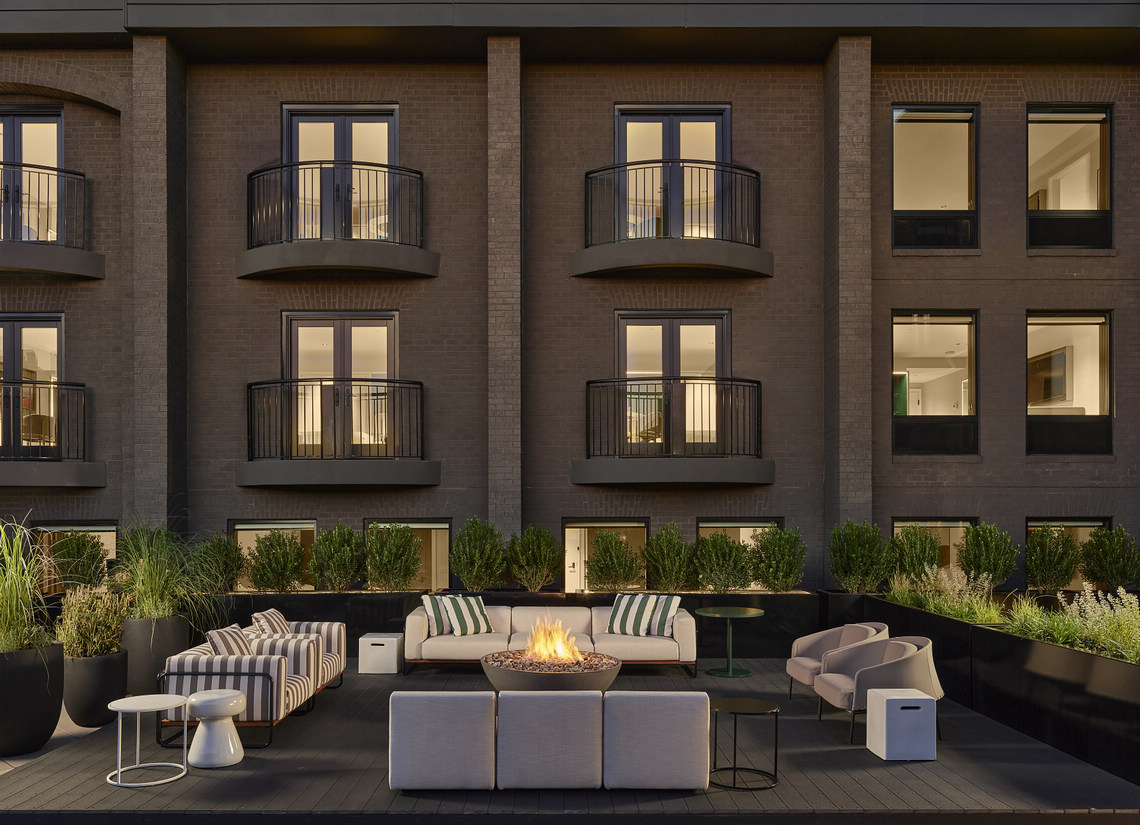
The Five-Climate Reality: Why Hotel Outdoor Furniture Needs Multi-Threat Weather Resistance
Beyond Waterproofing: How UV, Heat, Humidity, Wind, and Salt Combine to Accelerate Degradation
Outdoor furniture at hotels faces more than just rain when it comes to wear and tear. There are actually five major climate factors working together to break things down much faster than any single threat could manage on its own. Let's start with UV rays from sunlight which literally break apart the chemical bonds in plastics and colors, leading to faded looks and brittle materials over time. Then there's the heat itself, which makes everything expand and contract repeatedly, eventually causing warps and tiny cracks we don't always notice right away. Moisture is another problem because water makes natural materials swell up and creates perfect conditions for mold growth. Wind brings along all sorts of small particles that gradually wear away coatings and finishes. And if the furniture sits near saltwater or pools, those airborne salt particles will eat away at metal parts and leave visible marks on surfaces. The bad news? These problems work together. Studies indicate that when UV light meets high temperatures, plastic starts breaking down about 40% faster than it would with heat alone, meaning the furniture won't last nearly as long as expected. For real durability across different climates around the world, manufacturers need to test materials under realistic combinations of these conditions rather than looking at each factor separately.
Hospitality-Specific Stressors: High Guest Turnover, 24/7 Exposure, and Zero-Tolerance for Aesthetic Decline
The hospitality industry puts extra strain on the environment because of how intensively it operates. Hotel outdoor furniture gets exposed non-stop day after day unlike what happens at homes where things can be stored seasonally or given time to recover. Think about all those daily interactions guests have with these pieces furniture - spills happen, people drag them around, constantly moving them from spot to spot. All this physical abuse hits materials that are already struggling against harsh weather conditions. When customers walk into an establishment, they form opinions about the brand right away. Faded cushions, rusty frames, or tables that look warped will lead to bad reviews online and make potential clients question if they want to spend money there. The reality is that hotel owners need materials that last both structurally and visually over time. These products must keep their colors vibrant, maintain their textures, and preserve finishes despite being subjected to constant wear from both weather patterns and business demands.
Material Science in Action: Teak, Powder-Coated Aluminum, and All-Weather Wicker for Hotel Outdoor Furniture
Teak’s Natural Durability vs. Engineered Alternatives: Rot, Warping, and Maintenance Tradeoffs
When it comes to lasting outdoor wood, teak still stands out as the gold standard. The wood's tight grain pattern combined with its natural oils makes it resistant to rot, bugs, and water damage without needing any chemical treatments. Teak furniture can last for generations if cared for properly, although giving it a good oiling every now and then helps keep that beautiful golden color instead of letting it turn gray over time. Some cheaper options exist too, such as eucalyptus or acacia wood which saves money upfront but doesn't hold up nearly as well in the long run. These alternative woods tend to warp and crack when exposed to constant moisture and heavy foot traffic, especially if they weren't sealed correctly from the start. Look around at most hotels or resorts, and you'll notice that their cheaper wooden decks need replacing every five to seven years whereas well maintained teak installations continue looking great and performing structurally for twenty five years or more.
Coastal-Grade Aluminum & HDPE: ASTM B117 Salt Spray and ASTM D4329 UV Testing Benchmarks
In areas prone to corrosion like coastal homes, rooftop patios, and around chlorinated pools, powder coated aluminum frames along with HDPE wicker have become what most professionals rely on. When it comes to powder coating, manufacturers subject it to ASTM B117 salt spray tests that mimic roughly 1,000 hours worth of harsh conditions similar to those found near the ocean. This helps prove how resistant these coatings are against oxidation so metal remains solid and looks good too. HDPE wicker stands up even better against sunlight thanks to meeting ASTM D4329 standards for UV resistance. These materials can handle over 1,500 hours under bright lights without showing signs of wear such as fading colors, cracks forming, or becoming weaker when pulled apart. And this isn't just lab results talking either. Real world experience shows these materials last at least twelve years before needing replacement in places like beachfront hotels where salty air mixes with constant sunshine and high moisture levels.
UV Fade Resistance and Fabric Integrity: Protecting Aesthetics and Brand Consistency
Sunbrella® and Performance Upholstery: 500+ Hour UV Stability and Stain-Recovery Standards
When fabric starts fading, it's not just about looks anymore—it signals that a brand isn't taking care of itself. Regular fabrics tend to show wear pretty quickly once they're outside, leading to patchwork looking furniture that doesn't match up with what customers expect from quality products. Materials such as Sunbrella® solution dyed acrylics were made specifically for tough hotel environments. Tests show these fabrics keep their colors over 94% intact even after hundreds of hours under harsh conditions, which translates roughly to five years plus sitting directly in sunlight for most areas. Just as important is how well they handle stains. The special chemical treatment lets staff wipe away those inevitable messes like wine spills, coffee accidents, and sunscreen smears without leaving behind any marks or bleach spots, so everything stays looking consistent throughout different sections of seating. Real estate owners who switch to UV and stain resistant materials often find themselves replacing textiles about 70% less frequently compared to regular fabrics, saving money long term while keeping their brand image intact.
Structural Stability: Wind Load, Weight Distribution, and Safety-Critical Design for Rooftop and Poolside Zones
When it comes to hotel outdoor furniture placement in areas prone to extreme weather conditions, the engineering requirements go way beyond standard specifications. For rooftop setups specifically, wind pressure is a major concern. Studies show that uplift forces at these heights can actually be around 40% higher than what we calculate for ground level installations. That means extra reinforcement is absolutely necessary - think stronger anchoring systems, frames with cross bracing, and definitely marine grade fasteners that won't fail under stress. Around pool areas presents another set of challenges. The furniture needs careful balancing so it doesn't tip over when guests are constantly moving around on slippery or uneven surfaces. Many hotels have learned this the hard way after accidents occurred during busy periods. Good safety design includes wider base supports, lower center points to keep things stable, hardware that sits below surface level rather than sticking out, and joints that can absorb impacts without breaking. These aren't just recommendations but essential considerations for any property looking to maintain both guest safety and operational integrity.
- Wind resistance: Minimum 50 mph-rated structural integrity for rooftop applications
- Load distribution: Uniform frame loading to resist deformation under dynamic, off-center loads
- Safety compliance: Full adherence to ASTM F2598-09 for impact resistance, anti-tip stability, and pinch-point mitigation
These features mitigate liability exposure while ensuring uninterrupted guest access—turning structural resilience into an operational advantage.
Operational ROI: How Weather-Resistant Hotel Outdoor Furniture Cuts Maintenance Costs and Elevates Guest Experience
Lifecycle Cost Analysis: 3-Year Replacement vs. 12+ Year Service Life with Certified Protection
Durable outdoor furniture for hotels changes how money is spent on maintenance from something that keeps coming back every few years to a real long-term investment. When hotel managers replace worn out furniture sets every three years at around $3k to $5k each time, they end up spending between $30k and $50k over ten years not counting rising labor costs and lost revenue during replacements. On the flip side, furniture that meets ASTM B117 and D4329 standards lasts 12 years or longer, cutting overall spending over a decade by about 70%. Spending just $15k upfront on quality materials like certified teak, powder coated aluminum, or HDPE wicker means no need for those four replacements plus all the hassle with workers, shipping, and annoying guests when areas get closed down. The benefits go beyond just saving cash too. Furniture that looks good for years helps build a stronger brand image and actually improves guest satisfaction ratings. Industry experts have noticed that hotels with consistently maintained outdoor spaces see their guest experience scores jump by roughly 22%, which translates directly into better occupancy rates, higher prices, and improved reviews online.
FAQ
What are the major climate factors affecting hotel outdoor furniture?
The major climate factors are UV rays, heat, humidity, wind, and salt, all of which combine to accelerate the degradation of outdoor furniture.
Why is teak considered the gold standard for outdoor furniture?
Teak is highly durable due to its tight grain pattern and natural oils, making it resistant to rot, bugs, and water damage without needing chemical treatments.
How does weather-resistant furniture benefit hotel operations?
Weather-resistant furniture cuts maintenance costs, lasts longer, and improves guest satisfaction due to maintained aesthetics and structural integrity.
What standards should outdoor furniture meet to ensure durability?
Quality outdoor furniture should meet standards like ASTM B117 for salt spray resistance and ASTM D4329 for UV resistance.
Table of Contents
- The Five-Climate Reality: Why Hotel Outdoor Furniture Needs Multi-Threat Weather Resistance
- Material Science in Action: Teak, Powder-Coated Aluminum, and All-Weather Wicker for Hotel Outdoor Furniture
- UV Fade Resistance and Fabric Integrity: Protecting Aesthetics and Brand Consistency
- Structural Stability: Wind Load, Weight Distribution, and Safety-Critical Design for Rooftop and Poolside Zones
- Operational ROI: How Weather-Resistant Hotel Outdoor Furniture Cuts Maintenance Costs and Elevates Guest Experience
- FAQ