
 EN
EN
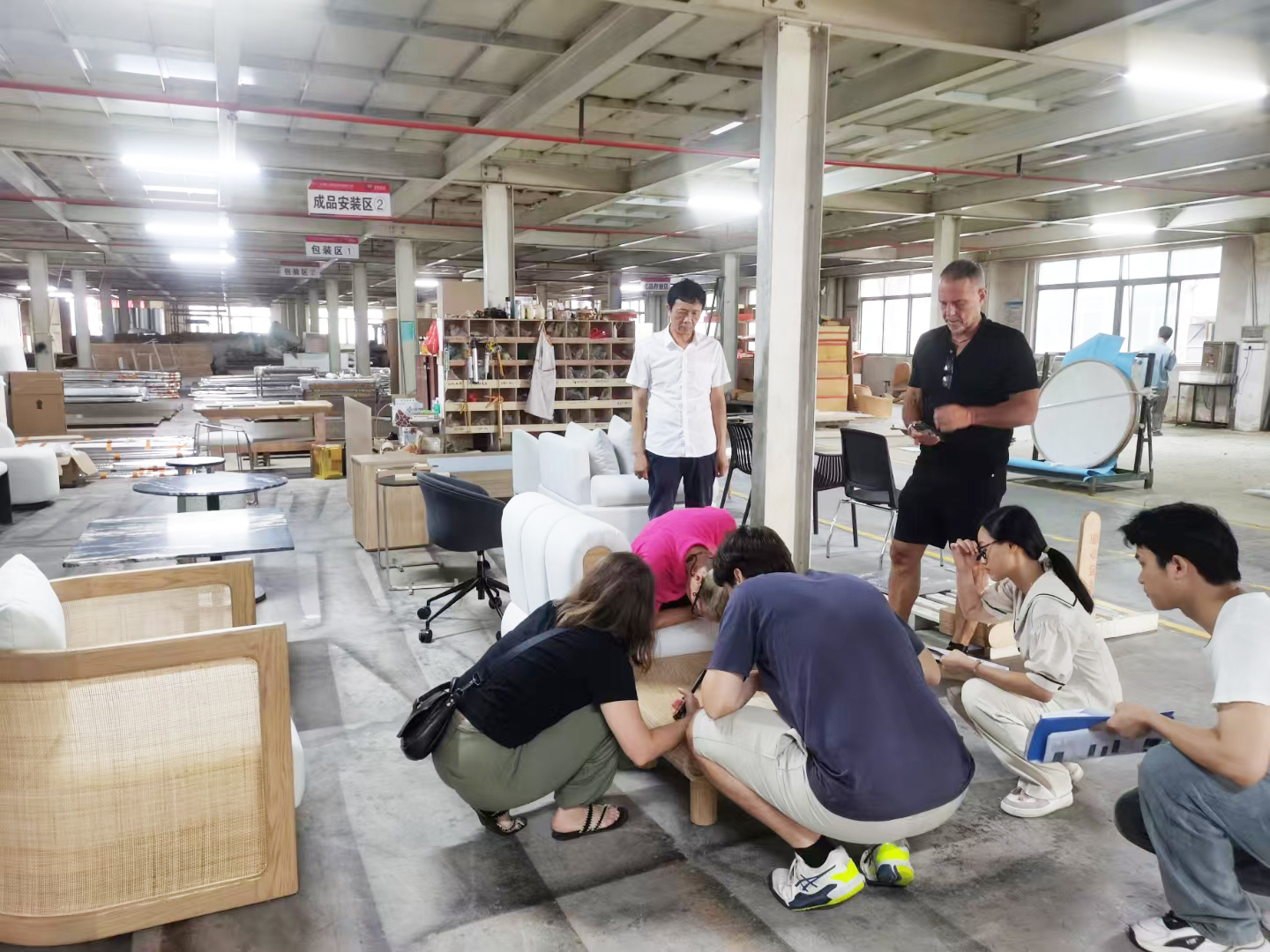
Functionality and Guest-Centric Design in Custom Hotel Furniture
Optimizing Room Layouts for Spatial Efficiency and Flow
Hotel furniture made to order really makes the most of limited space because it fits exactly into those odd shapes and tricky building layouts that generic furniture just can't handle. Think about built in closets that save floor space, desks attached to walls instead of taking up precious real estate, and furniture that does double duty. All these smart touches help guests move around comfortably without bumping into things or feeling cramped. The way these spaces are organized actually affects how people feel during their stay. When there's less stuff lying around and clear separation between where someone sleeps, works, and relaxes, everyone benefits. According to surveys, about 8 out of 10 travelers rank room layout among their top concerns when choosing accommodation. That means custom designs matter even more in smaller rooms where good planning turns what might seem like drawbacks into advantages guests will appreciate.
Supporting Bleisure Travel with Ergonomic, Adjustable Solutions
The rise of bleisure travel means hotel furniture needs to handle both business tasks and downtime equally well these days. Think adjustable desks that plug into power outlets, comfy chairs that actually support backbones properly, and sofas that can turn into workspaces when needed. Guests who mix business with pleasure tend to stick around longer in their rooms compared to purely vacationing visitors, so good spinal support isn't optional anymore for hotels wanting satisfied customers. Some properties are already getting creative with modular furniture designs. For instance, certain hotels now offer fold-out workstations next to beds that let travelers switch from spreadsheet mode to movie night without hassle. These kinds of thoughtful touches reflect changing guest behaviors rather than just following trends blindly.
Embracing the Hometel Trend: Comfort-Driven Emotional Design
There's been a real change in what people want from hotels these days. About two thirds of travelers actually prefer something that feels like home instead of all those fancy luxury touches we used to see everywhere. Custom made furniture helps fill this need with designs that feel good to touch and connect emotionally. Think about soft sofas that fit right into living room spaces, memory foam details, warm wooden elements, and shapes that aren't so stiff or formal. The rounded corners, fabrics with interesting textures, and mix of different materials do more than just look nice. They somehow tell our brains we're safe here, which makes us feel comfortable without even realizing why. Hotels that focus on creating furniture that speaks to emotions rather than just being functional tend to keep their customers coming back again and again, building stronger relationships with their brand over time.
Durability, Material Performance, and Maintenance for Custom Hotel Furniture
Selecting Commercial-Grade, Stain- and Scratch-Resistant Materials
The secret to something lasting long starts with picking the right materials. When making furniture that can take regular wear and tear, solid woods such as oak or maple work best when combined with strong joins that hold everything together. For areas where people sit or lean against things often, fabric needs to be tough enough to handle constant contact. Some fabrics are tested to withstand over 100 thousand rubs back and forth without showing signs of wear. The colors stay vibrant thanks to special dyeing processes, surfaces have coatings that push away liquids before they soak in, and there are even treatments added to fight off bacteria growth during those times between cleanings. All these features mean products last much longer than cheaper alternatives. Less frequent replacements save money in the long run, which makes sense for anyone looking at costs beyond just what's paid upfront.
Prioritizing Long-Term Resilience in High-Traffic Public and Guest Areas
The furniture in lobbies, hallways, and restaurant areas gets put through the wringer day after day, which means it needs to be tough as nails. Take high density foam for instance – around 2.0 to 2.5 pounds per cubic foot – this stuff keeps its shape even after being sat on countless times. Frames reinforced with steel stop those annoying wobbles and breakages where stress builds up. And let's not forget about UV resistant coatings that keep outdoor furniture looking good when exposed to sunlight for hours on end. Tabletops with scratch proof laminates stay looking nice despite all the coffee rings and elbows bumping into them throughout the day. All these durability features work together to make sure guests stay comfortable and operations run smoothly for over a decade without constant repairs messing up service or damaging how customers perceive the brand.
Brand Alignment, Regulatory Compliance, and Aesthetic Integrity
Translating Brand Identity into Cohesive Custom Hotel Furniture Design
Custom furniture acts as a key way for brands to show their identity physically, telling stories about tradition, green practices, or contemporary luxury through what materials they use, how things are shaped, and the final look. Top companies connect their main brand traits straight to how they design pieces. Take a small brand focused on skilled workmanship for example, they often choose hand rubbed walnut wood with joints that can be seen clearly. Brands concerned about the environment tend to showcase timber certified by FSC standards along with naturally dyed fabrics. When all those items from headboards to desks and lounge chairs tell the same story visually, customers start recognizing the pattern. This consistency helps build brand awareness and creates that feeling that the company knows exactly what it stands for, making people remember them better and trust them more over time.
Meeting ADA, BIFMA, and Fire Safety Standards Without Compromising Style
Meeting ADA accessibility rules, BIFMA standards, and fire regulations such as CAL 117 isn't optional these days but smart designers know how to maintain their creative vision while still complying. Many forward thinking companies actually incorporate accessibility features without anyone noticing. Take adjustable tables for instance they fit right into contemporary designs without looking out of place. Slip resistant surfaces come from gentle textures instead of harsh materials that might scratch or wear down over time. And those fire retardant foams? They work quietly under high quality fabric coverings so nobody sees them at all. When manufacturers think about compliance from the start rather than tacking it on later, we see real results where safety meets inclusion and looks good doing it.
Sustainability and Strategic Lifecycle Value of Custom Hotel Furniture
Choosing Eco-Conscious Materials and Designing for Disassembly, Repurposing, and Longevity
When it comes to making custom hotel furniture sustainable, where to start? The answer lies in how materials are sourced. Using reclaimed wood instead of new lumber, incorporating recycled metals wherever possible, and applying those low-VOC finishes that don't smell like chemicals all help cut down on environmental damage. But material choices are just part of the equation. Design matters too. Think about furniture built with modular frames so when something breaks, only that part needs replacing. Standardized fittings mean pieces can fit together differently over time. And if disassembly is straightforward, hotels can actually take apart old furniture and reuse components elsewhere in the property. Industry studies indicate these smart design choices can make furniture last anywhere from 40 to 60 percent longer than regular stuff. And let's not forget customer preferences either. According to Booking.com data from last year, around two thirds of guests now actively seek out places with green credentials. So investing in sustainable furniture isn't just good for the planet. It helps hotels stand out from competitors while saving money on replacements, reducing waste buildup, and consuming fewer resources overall.
FAQ on Custom Hotel Furniture
Why is custom hotel furniture important for room layout?
Custom hotel furniture is designed to optimize spatial efficiency and flow, especially in smaller rooms. It allows for intelligent use of space by fitting specific shapes and integrating built-in solutions, improving guest comfort and satisfaction.
What elements of custom hotel furniture support bleisure travel?
Custom hotel furniture can feature ergonomic designs such as adjustable desks, chairs with proper back support, and modular furniture that can transform from workspace to relaxation space, catering to both business and leisure needs.
How does custom furniture contribute to a hometel experience?
By focusing on comfort-driven emotional design, custom furniture offers a homely feel through soft textures, warm materials, and shapes that provide a sense of safety, enhancing overall guest experience.
Which materials are best for durable hotel furniture?
Materials like solid oak or maple with strong joints and resilient fabrics that withstand high usage are ideal for durable hotel furniture. These choices ensure longevity and cost-effectiveness.
How can hotels align custom furniture with brand identity?
Custom furniture can visually express brand identity through material choices and design features that reflect brand values, helping to increase brand recognition and loyalty among guests.
What are the benefits of sustainable custom hotel furniture?
Sustainable furniture uses eco-friendly materials, supports longevity through intelligent design, and appeals to an increasing number of guests seeking environmentally responsible accommodations.
Table of Contents
- Functionality and Guest-Centric Design in Custom Hotel Furniture
- Durability, Material Performance, and Maintenance for Custom Hotel Furniture
- Brand Alignment, Regulatory Compliance, and Aesthetic Integrity
- Sustainability and Strategic Lifecycle Value of Custom Hotel Furniture
-
FAQ on Custom Hotel Furniture
- Why is custom hotel furniture important for room layout?
- What elements of custom hotel furniture support bleisure travel?
- How does custom furniture contribute to a hometel experience?
- Which materials are best for durable hotel furniture?
- How can hotels align custom furniture with brand identity?
- What are the benefits of sustainable custom hotel furniture?