
 EN
EN
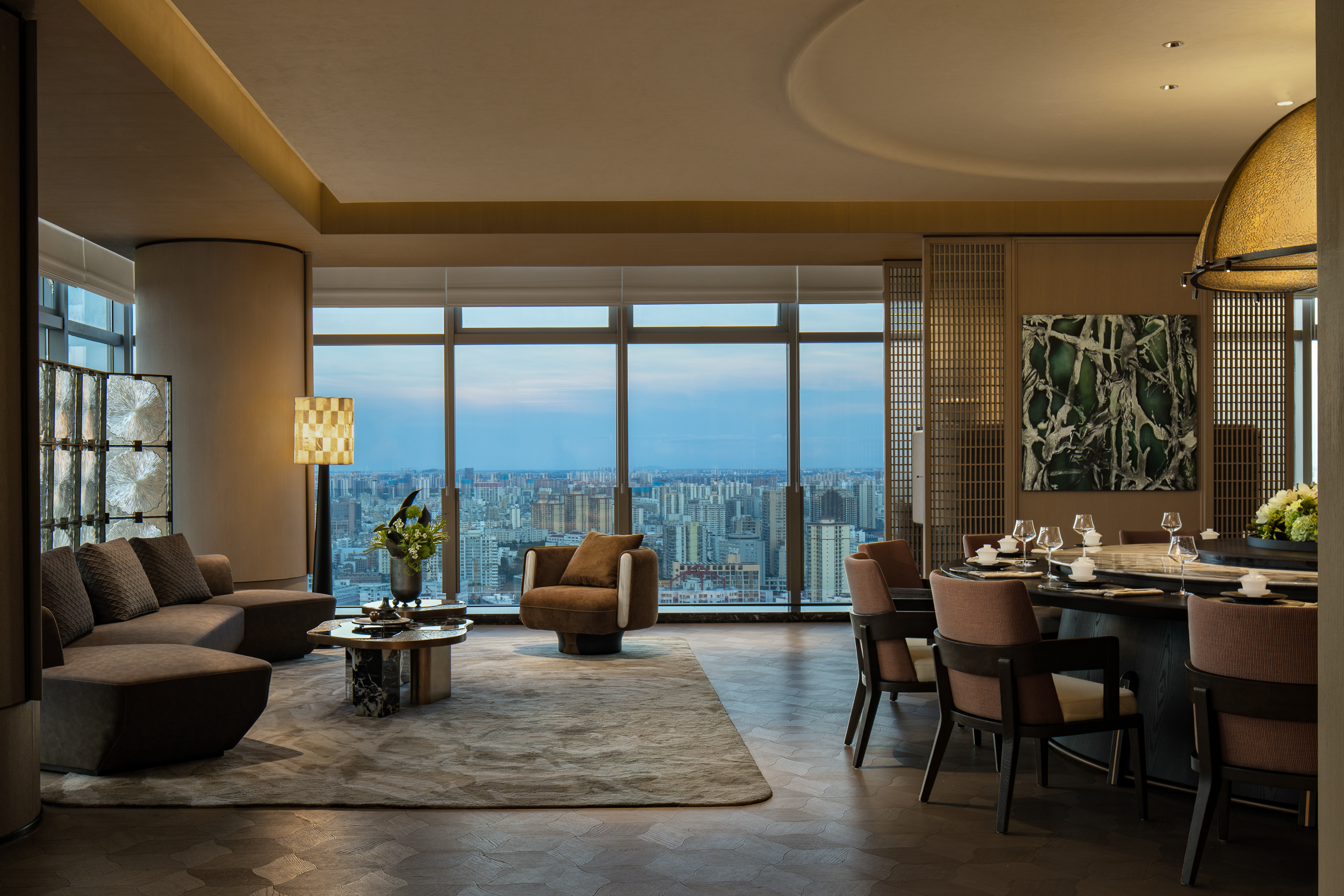
Why Hotel Restaurant Furniture Directly Impacts Guest Retention and Revenue
First Impressions, Dwell Time, and Repeat Visitation Linked to Seating Comfort and Visual Cohesion
The furniture in hotel restaurants makes all the difference when guests walk in. Within just a few seconds they form opinions about what kind of place this is going to be for them during their stay. If the seats are uncomfortable, people tend to leave faster than normal. We've seen places where bad seating cuts down how long customers stick around by almost a quarter, which means less money coming in from meals, drinks, and other services. When chairs don't support the back properly or tables are crammed together, folks just pack it in earlier. But when restaurants invest in good ergonomics and thoughtful design elements, guests hang around longer. Getting the visual stuff right matters too. Matching decor throughout, colors that work well together, materials that feel nice to touch these things help build stronger memories of the brand. Hotels that really nail their theme consistently across every detail often find that regulars come back 34% more often than those who only stop by once in a while.
How Furniture Choices Influence Perceived Service Quality and Premium Positioning
The materials used and how things are built actually tell guests a lot about what kind of service they can expect without anyone saying it out loud. When tables have chips in the laminate, chairs wobble when sat on, or couches look faded from years of use, people start thinking this place isn't worth much. But hotels that invest in solid marble tops, strong steel frames underneath, and fabric that really holds up over time? Those places scream attention to detail and professional operation. Studies show that when hotels go for commercial grade furniture instead of cheap stuff, guests rate them about 18 percent better in their feedback forms. That makes sense because nicer looking spaces justify charging more money and helps establish the hotel as somewhere special. At the end of the day, there's definitely a connection between how clean and well maintained everything looks and whether guests will come back again or just grab coffee and leave forever.
Selecting Durable, Commercial-Grade Hotel Restaurant Furniture
Hotel restaurant furniture endures relentless use: spills, daily repositioning, and frequent deep cleaning demand proven resilience. Three materials consistently deliver under commercial pressure:
- Powder-coated steel, offering superior strength-to-weight ratio, corrosion resistance, and chip durability—ideal for high-movement areas
- Marine-grade plywood, engineered with waterproof adhesives to resist warping from humidity and repeated exposure to moisture
- Performance fabrics rated at 100,000+ double rubs (e.g., solution-dyed acrylics, Crypton), providing inherent stain resistance without degrading coatings
Equally critical are third-party certifications that validate safety, longevity, and structural integrity:
- BIFMA (Business and Institutional Furniture Manufacturers Association) standards verify load capacity, joint durability, and stability through accelerated life-cycle testing
- CAL 117 fire safety compliance is mandatory for all upholstered items in public spaces, ensuring smolder resistance
- NFPA 260 testing confirms fabric and filling ignition resistance under controlled flame exposure
A 2024 industry analysis found hotels specifying certified commercial-grade furniture reduced replacement costs by 37% over three years—while simultaneously elevating perceived quality and guest comfort.
Top materials (powder-coated steel, marine-grade plywood, performance fabrics) for high-traffic dining
The durability of these materials is one thing, but what really matters is how they hold up in actual hospitality settings. Powder coated steel keeps its shape and looks good despite all that chair moving around day after day. When it comes to marine grade plywood, this stuff handles the constant moisture and spills typical in restaurants without falling apart or getting swollen. No need for those temporary stain treatments either since the advanced fabrics we use don't require them. They stay looking fresh and maintain proper hygiene standards even after being cleaned countless times over months of operation.
Certifications and testing standards (BIFMA, CAL 117, NFPA 260) every hospitality buyer should verify
When it comes to making purchasing decisions, certifications take out a lot of the guesswork. Take BIFMA testing for instance, which actually mimics what happens over about 15 years of heavy use in places like schools and offices. They test how furniture holds up against impacts, tilting around, and those long term wear and tear cycles we all know happens eventually. Then there's CAL 117, which focuses specifically on reducing fire hazards in crowded restaurant settings where cigarette burns can be a problem. This standard makes sure the fabric parts won't catch fire easily from things like smoldering embers. And NFPA 260 steps in too, looking at how materials react when exposed directly to flames. Hospitality properties that stick strictly to all three of these standards tend to see their furniture last roughly 28% longer before needing replacement, based on data collected from hotel and restaurant buyers across the country.
Designing for Function: Ergonomics, Space Flow, and Service Efficiency
Optimal seat height, depth, and back support for all-day guest comfort and staff maneuverability
Getting ergonomics right makes all the difference for customers and how smoothly operations run. Most seats should be around 17 to 19 inches high to keep legs from getting tired when people eat for longer periods. The depth matters too, ideally somewhere between 16 and 18 inches so thighs rest properly without cutting off blood flow. Backrests that follow the natural curve of the spine work wonders. We've seen that these contoured backs cut down on customer fatigue by roughly a third compared to those flat ones, which means folks stay longer at their tables and come back more often. When it comes to staff moving around, lighter chairs (under 25 pounds) make rearranging tables much easier between service times. Chairs without arms also help servers navigate narrow spaces with trays in hand. As for back angles, something between 95 and 105 degrees seems to strike just the right balance between comfortable leaning back and staying close enough to reach everything on the table.
Layout strategies that balance maximum occupancy with ADA compliance and seamless traffic flow
Thoughtful spatial planning maximizes revenue without compromising accessibility or safety:
- Maintain minimum 36-inch clear pathways between tables to meet ADA wheelchair maneuverability requirements—and ensure smooth staff movement during peak service
- Anchor banquettes along perimeter walls to free central floor space for flexible, high-yield configurations
- Place circular tables in corner “dead zones” to convert underutilized areas into revenue-generating seats
- Integrate accessible-height (28–34 inch) surfaces throughout the dining zone—not in isolated clusters—to normalize inclusivity and improve flow
Optimized layouts increase covers per service hour by 22% and reduce accidental staff–guest collisions by 31%. Crucially, the primary service triangle—connecting kitchen pass-throughs, entry points, and restrooms—must maintain a minimum 42-inch clearance to prevent bottlenecks during turnover, without sacrificing seating density.
Aligning Hotel Restaurant Furniture with Brand Identity and Design Trends
Curating style—luxury, boutique, resort, or urban contemporary—through material, form, and finish
The furniture in any space acts like a brand's unspoken representative. Luxury environments often go for deep velvet seats paired with polished marble tables that scream extravagance even before guests order their first drink. Smaller boutique hotels tend to showcase custom made metal legs and handcrafted ceramic details because they want to stand out from the crowd and show off quality workmanship. Beachfront resorts typically opt for rattan weaves, sun bleached wood, and natural materials that blend right into their seaside or mountain backdrop. Cities are all about sleek angles these days, so many modern spots use angular shapes, black coated steel frames, and clean simple designs. What materials get chosen really matters too. Brass brings back old Hollywood vibes, matte black looks tough and professional, while those pale wooden pieces create that calm beach house feel everyone wants nowadays. And don't forget about lasting power either since these items need to withstand daily wear and tear. When designers stick to a consistent theme throughout the property, customers actually spend around 14% more according to Hospitality Insights research last year.
Emerging trends: biophilic integration, locally sourced craftsmanship, and modular adaptability
The top hotel restaurants these days really focus on making their furniture choices both flexible and genuine. Take biophilic design for instance, which according to Gensler's 2023 report shows up in about two thirds of all new luxury hotel concepts. This approach incorporates things like live edge wood tables, built in planters, and materials that feel like nature itself to help guests relax and enjoy the atmosphere more. When hotels source locally made stuff, such as wood from nearby regions or textiles crafted by local artists, it adds stories to the space and builds stronger connections within communities. Many places now use modular furniture setups too. Think nesting tables that can be pushed together or pulled apart, banquettes that convert from seating areas to something else entirely, and sectionals that rearrange themselves depending on what the restaurant needs. These aren't just pretty touches. They actually address real problems faced by hotel operators while meeting what today's travelers want: spaces that adapt easily, mean something special, and create memorable moments worth sharing with friends later.
Frequently Asked Questions
Why is furniture important in hotel restaurants?
Furniture plays a critical role in creating first impressions, ensuring guest comfort, influencing dwell time, and establishing brand identity, all of which directly affect guest retention and revenue.
What materials should hotels use for restaurant furniture?
Hotels should opt for durable materials like powder-coated steel, marine-grade plywood, and performance fabrics that withstand heavy use while maintaining aesthetics.
How do furniture certifications impact buying decisions?
Certifications such as BIFMA, CAL 117, and NFPA 260 remove ambiguity from purchasing decisions and ensure safety, longevity, and structural integrity.
What are emerging trends in hotel restaurant furniture?
Biophilic design, locally sourced craftsmanship, and modular adaptability are trending, offering flexibility and enhancing the guest experience.
Table of Contents
- Why Hotel Restaurant Furniture Directly Impacts Guest Retention and Revenue
- Selecting Durable, Commercial-Grade Hotel Restaurant Furniture
- Designing for Function: Ergonomics, Space Flow, and Service Efficiency
- Aligning Hotel Restaurant Furniture with Brand Identity and Design Trends
- Frequently Asked Questions