
 EN
EN
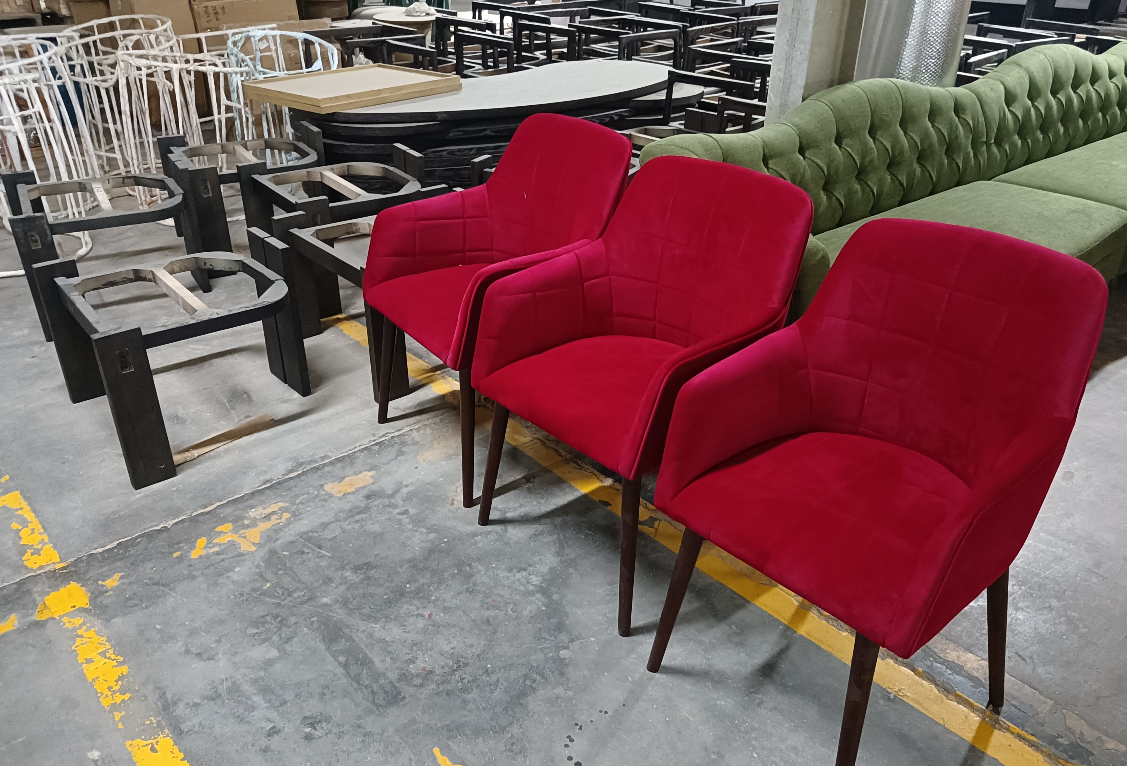
Uncompromising Durability and Hospitality-Specific Quality Standards
Material Selection and Engineering for High-Traffic, 24/7 Use
The best hotel furniture makers know their stuff when it comes to picking materials that can take whatever punishment hotel life throws at them. They go for solid hardwoods such as oak and maple that have been treated specially so they won't warp over time. For the fabric parts, they use stuff that kills germs and can handle being rubbed against thousands of times without wearing out. The really important bits? Foam that's super springy (around 2 to 2.5 pounds per cubic inch dense), coatings that don't fade under sunlight, and joints that are built stronger than what most people would expect. All this attention to detail means the furniture lasts through hundreds of daily uses without falling apart. And let's face it, that saves hotels money in the long run because they don't have to replace things as often.
Rigorous Quality Control, BIFMA/CAL TB 133 Compliance, and Lifetime Validation
Each item goes through a rigorous 12-step inspection process that follows both BIFMA standards for structure and CAL TB 133 when it comes to fire safety. The testing isn't just theoretical either. Manufacturers actually run accelerated tests that mimic over a decade worth of real-world usage by guests. They also check how materials hold up against typical hotel cleaners and disinfectants. Stress tests push furniture beyond normal limits too, often checking at 150% of what's officially rated. Top brands keep detailed records of all this using digital tracking systems. These records serve as solid evidence that every single piece passes the tough durability tests required for hotels and other commercial spaces before anyone ever sees them on site.
Proven Reliability: Experience, Track Record, and Tier-1 Client Trust
5+ Years of On-Time Delivery to Luxury & Global Hospitality Brands
The best hotel furniture makers have built their reputation on getting things done right on time for hundreds of luxury resort projects worldwide. Their secret? They run everything in-house from start to finish, keeping tabs on what's in stock at all times and having backup plans ready when something goes wrong in the supply chain. Big names like Ritz Carlton and Four Seasons won't work with anyone who doesn't hit about 98 percent order completion rates year after year because every day a hotel waits for furniture means losing roughly fifteen grand in potential room bookings. Most of these companies now use smart logistics software that lines up when furniture gets made with exactly when hotels need it for openings, making sure nothing falls through the cracks at critical moments.
Case Evidence: How Consistency Lowers Total Cost of Ownership
Consistent operations cut down long-term costs for hotels and other hospitality businesses. Looking at a real-world example from 2023, researchers compared similar hotel chains where one worked closely with suppliers who consistently delivered products within specification (over 95% accuracy). That group ended up replacing furniture items 23% less frequently than their counterparts across seven years. When things break down unexpectedly, there are all sorts of hidden expenses to deal with. Think about paying for rush shipping when parts need replacing (around $12k each time), compensating guests during renovations, plus extra labor costs for fixing things again and again. The industry has seen benefits from standardized modular furniture designs along with lifetime guarantees on materials. These factors really add up because what most people think of as the purchase price actually makes up only about 40% of what a property spends on furniture overall throughout its life cycle.
Strategic Customization: Aligning Furniture with Brand Identity and Operational Reality
When hotels invest in custom furniture, they're not just getting functional pieces but actual extensions of their brand story. Top manufacturers create bespoke solutions that match what makes each property special — maybe it's modern minimalism, old-world charm, or something completely different. These companies also think about how things actually work day-to-day in hospitality settings. They consider tight spaces where every inch counts, how easy it is to keep things looking good over time, and whether staff can move around comfortably. The best part? Good design doesn't have to break the bank or fall apart after a few months. Most clients find that well-made custom furniture stands up to constant use while still making guests feel right at home.
Boutique-to-Flagship Design Flexibility Without Compromising Lead Time or Cost
The best manufacturers manage to strike this balance by using modular designs and standard parts throughout their products. Think of how a fancy resort could order custom-made headboards featuring local woodwork motifs, whereas urban hotels often need compact seating solutions for their lobbies - and they get these things done without paying an extra 20 percent or waiting months for delivery. With scalable manufacturing techniques, brands maintain consistent look and feel whether it's a small boutique with just fifty rooms or a massive flagship property with five hundred keys. This approach cuts down on those frustrating delays that usually come with special orders and custom work.
Digital Collaboration Tools (CAD, 3D Visualization) That Accelerate Approval Cycles
The latest digital tools like CAD modeling and those cool 3D rendering systems let designers make changes on the fly, which cuts down how long it takes to get approvals by around 40 percent according to industry reports. Now clients and other people involved in projects can actually take virtual tours of spaces that look fully furnished. They can tweak things like fabric choices, surface materials, even move walls around if needed before anything gets built. This kind of detailed work saves money because there are fewer expensive fixes after installation is complete. Plus, important requirements for accessibility standards and maintenance access get incorporated right at the start rather than being an afterthought during construction.
Responsible Partnership: Sustainability, Accessibility, and Ethical Production
Hotel furniture makers are increasingly focused on building better relationships along three main fronts these days. When it comes to sustainability, many companies have started incorporating FSC certified wood into their products alongside recycled metal components. This approach cuts down on waste significantly, though exact figures vary depending on the manufacturer's specific processes. Some claim reductions around 30% when compared to traditional manufacturing techniques. For accessibility features, designers are making sure their creations meet ADA standards with things like height adjustments and plenty of space underneath tables and counters where guests might need room for mobility devices. On the ethical side of things, top brands are implementing independent labor inspections and verifying that workers receive fair compensation according to local standards. These checks help prevent problems further down the supply chain. Putting all these elements together doesn't just protect company reputations but also taps into a market segment that wants greener options for hotels and restaurants without sacrificing quality or comfort.
Smart businesses are setting up closed-loop systems that keep about 95% of their manufacturing waste out of landfills while also choosing finishes with low volatile organic compounds (VOCs) to make sure the air inside stays clean, which matters a lot for guests with allergies or respiratory issues. Looking at materials from the very beginning, these companies won't work with any supplier connected to cutting down forests. What we see here is not just green thinking but real action on multiple fronts at once. When hotels care about both protecting the planet and treating people right, they create stronger relationships that can weather whatever comes next in this ever-changing industry.
Enduring Partnership: Post-Installation Support as a Differentiator for Hotel Furniture Manufacturers
Beyond Warranty: 24-Hour Response Protocols and On-Demand Touch-Up Services
Top hotel furniture makers stand out because they offer support long after installation that goes way past regular warranty periods. Many companies have set up systems where damaged items get attention within 24 hours, and some even send technicians right to hotel properties when needed. These quick fixes stop small problems from turning into expensive repairs down the road. Think about those annoying little scratches on tables or chairs that start to show up after months of use, or joints that slowly come loose without anyone noticing until it's too late. When hotels keep their furniture looking good during busy seasons, guests stay happy and rooms stay open for business. The math works out pretty well too. Studies suggest that working with manufacturers who provide this kind of ongoing support can cut overall costs by around 30 percent over ten years compared to just fixing things as problems arise. For hotel owners, buying furniture becomes less about making a purchase and more about investing in something that keeps delivering value month after month.
FAQ
What materials are used in durable hotel furniture?
Durable hotel furniture typically uses solid hardwoods like oak and maple, along with treated fabrics that resist wear and germs.
How do furniture manufacturers ensure quality and safety?
Manufacturers conduct rigorous inspections following BIFMA and CAL TB 133 standards and run stress tests to ensure quality and safety.
What are the cost benefits of consistent furniture operations for hotels?
Consistent operations reduce long-term costs by decreasing the frequency of replacements and addressing hidden expenses like rush shipping.
How is customization used in hotel furniture design?
Customization aligns furniture with a hotel's brand identity and operational needs, using modular designs to balance flexibility with cost.
What sustainability practices are hotel furniture makers adopting?
Furniture makers are incorporating FSC-certified wood, recycled materials, and ensuring products meet ADA accessibility standards.
Why is post-installation support important for hotels?
Post-installation support ensures quick repairs, maintaining furniture appearance during busy seasons, thereby reducing overall costs.
Table of Contents
- Uncompromising Durability and Hospitality-Specific Quality Standards
- Proven Reliability: Experience, Track Record, and Tier-1 Client Trust
- Strategic Customization: Aligning Furniture with Brand Identity and Operational Reality
- Responsible Partnership: Sustainability, Accessibility, and Ethical Production
- Enduring Partnership: Post-Installation Support as a Differentiator for Hotel Furniture Manufacturers
-
FAQ
- What materials are used in durable hotel furniture?
- How do furniture manufacturers ensure quality and safety?
- What are the cost benefits of consistent furniture operations for hotels?
- How is customization used in hotel furniture design?
- What sustainability practices are hotel furniture makers adopting?
- Why is post-installation support important for hotels?